TRANSFORM – Designing High-Impact Training for Multi-Stakeholder Networks Présentiel
Dernière mise à jour : 05/03/2026
Description
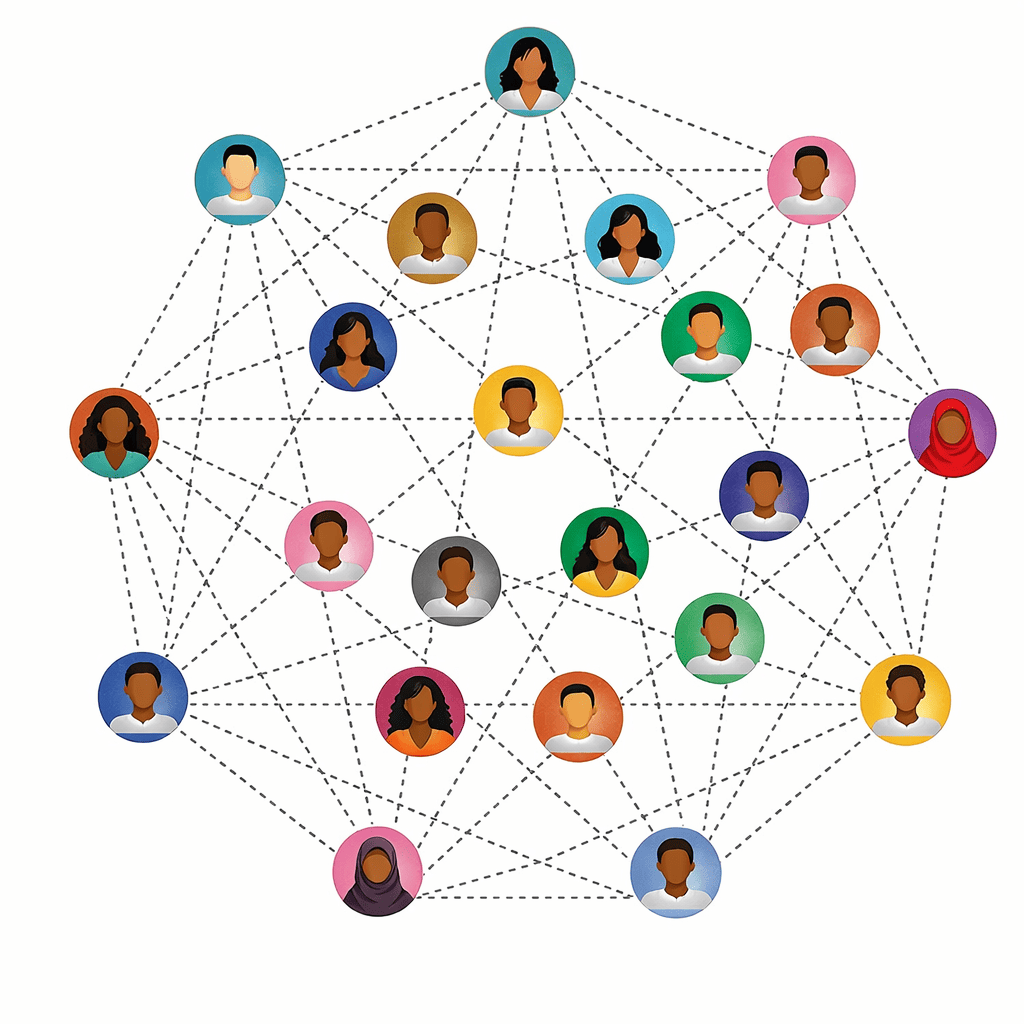
In many professional training programmes, the emphasis is still largely placed on the transfer of knowledge. However, in complex multi-stakeholder systems and networks, this type of approach rarely leads to sustainable changes in professional practices, modes of collaboration, or collective dynamics.
To generate real impact, training must be designed as a lever for transformation. It should take into account organizational realities, interactions between stakeholders, and the barriers and drivers of change within networks.
The TRANSFORM course proposes a strongly impact-oriented approach. It aims to support participants in designing training programmes capable of fostering measurable evolution in professional practices within multi-stakeholder networks by integrating:
-
a systemic analysis of stakeholder dynamics and interdependencies;
-
identification of barriers and drivers for change;
-
strategic alignment between learning objectives, training methods and evaluation modalities;
-
the integration of implementation mechanisms and post-training follow-up.
Participants work on real-life situations drawn from professional networks (animal health, public health, environmental health, sanitary systems, territorial development, etc.) and may, if desired, apply the tools to a concrete case from their own institution. This applied approach enables the development of an operational, contextualized and immediately actionable training plan.
The course is delivered in partnership with ENSV-FVI (École nationale des services vétérinaires – France Vétérinaires International), the internal school of VetAgro Sup responsible for training French and international veterinary senior officers.
The duration is flexible (starting from 2 days – 14 hours) depending on the desired level of depth and the specific needs of the contracting institution.
Objectifs de la formation
By the end of the course, participants will be able to:
-
Analyse the functioning of a multi-stakeholder network within a One Health approach and identify strategic challenges related to intersectoral collaboration;
-
Identify barriers and levers for change in complex institutional contexts;
-
Define priority competencies required to strengthen coordination and collective performance;
-
Formulate clear, measurable learning objectives oriented toward impact on professional practices;
-
Design an aligned training programme (objectives – methods – evaluation) that supports sustainable change;
-
Propose and implement interactive and participatory facilitation methods adapted to multi-stakeholder environments;
-
Integrate implementation and post-training follow-up mechanisms to support autonomous evolution of practices;
-
(Optional) Structure a training-of-trainers approach to ensure consistency and scalability within the network.
Public visé
-
Coordinators and managers of multi-stakeholder networks operating (within a One Health approach)
-
Institutional leaders in animal health, veterinary public health, human health or environmental health
-
Training and capacity-building managers
-
Technical experts involved in the design, coordination or delivery of training programmes
-
Professionals engaged in national or international health and intersectoral cooperation initiatives
Prérequis
-
Involvement in a multi-stakeholder network or institutional system in health, environment or development;
-
Basic understanding of how professional or organizational networks function;
-
Engagement in training design, coordination or capacity-building activities;
-
Sufficient proficiency in French (the course is delivered in French).
The course can also be delivered in other languages upon request.
Informations sur l'admission
This course is not open to individual enrolment.
It is offered exclusively upon institutional request.
For information, adaptation or quotation requests : prisme.formation@cirad.fr
Modalités pédagogiques
The course is based on active and experiential learning, combining structured methodological inputs with practical application.
It includes:
-
structured inputs on impact-oriented instructional design and change management;
-
systemic analysis of multi-stakeholder networks within a One Health approach;
-
case studies from national and international contexts;
-
small-group co-design workshops;
-
pedagogical alignment exercises (objectives – methods – evaluation);
-
facilitation simulations and role-play;
-
application to a real case proposed by participants or the contracting institution (if requested);
-
collective debriefing and structured feedback sessions.
The methodology promotes interaction, strategic reflection and progressive appropriation of tools to ensure operational implementation.
Moyens et supports pédagogiques
The course relies on practical methodological tools and materials directly usable by participants:
-
structured course materials provided in digital format;
-
concise presentations of key concepts (systemic approach, impact-oriented instructional design, change support);
-
stakeholder and competency needs analysis grids for multi-stakeholder environments;
-
pedagogical alignment matrices (objectives – methods – evaluation);
-
learning objective templates and detailed training plan frameworks;
-
training programme models (agenda, methods, evaluation, timeline);
-
facilitation tool sheets for interactive and participatory methods;
-
contextualized case studies from One Health multi-stakeholder networks.
All materials are designed to enable participants to leave with an operational and adaptable training framework suited to their institutional context.
Modalités d'évaluation et de suivi
Assessment is integrated throughout the course using a formative and progressive approach:
-
practical exercises and design workshops reviewed by trainers;
-
oral presentations with structured feedback;
-
critical analysis of existing training initiatives;
-
progressive development of an operational training plan;
-
self-assessment at the end of the session.
Validation is based on participants' ability to design a coherent, aligned and impact-oriented training programme within a multi-stakeholder network.
Post-training follow-up can be provided upon request:
-
remote coaching sessions;
-
support for implementation and adjustment;
-
training-of-trainers support for scaling up;
-
guidance on evaluating impact on professional practices and network dynamics.
The objective is to ensure effective application of learning and sustainable impact in complex institutional environments.
Formateur(s)
The course is delivered by experts in instructional design and capacity development, specialized in supporting change within complex multi-stakeholder systems.
They have national and international experience in designing and implementing impact-oriented training programmes supporting public authorities, institutions and professional networks.
The programme is delivered in partnership with ENSV-FVI (École nationale des services vétérinaires – France Vétérinaires International), the internal school of VetAgro Sup responsible for training French and international veterinary senior officers.
Trainers combine technical expertise, institutional insight and strong participatory facilitation skills adapted to multicultural environments.