Diagnostic techniques for Peste des petits ruminants (PPR) Présentiel
Dernière mise à jour : 04/08/2026
Description
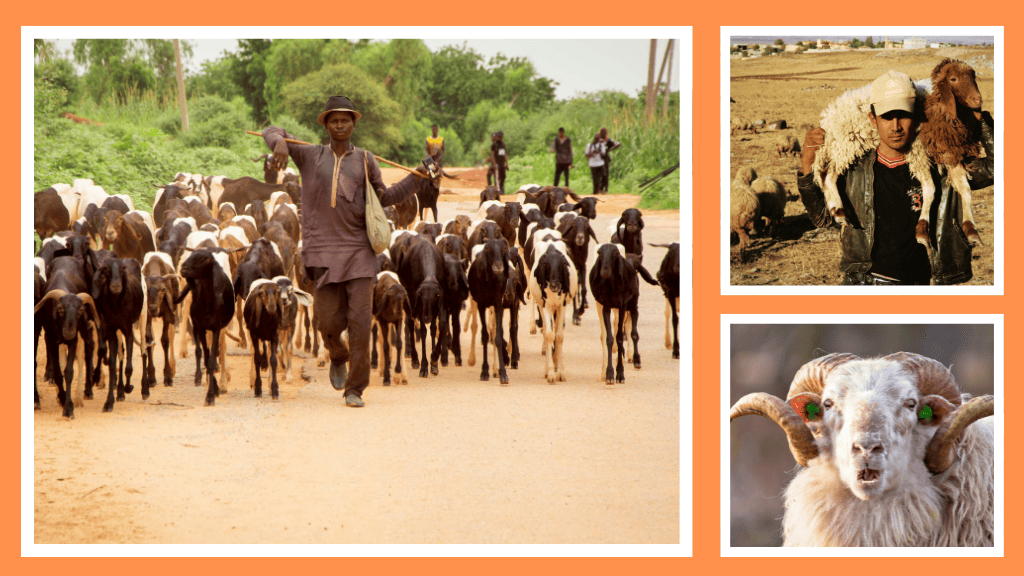
Peste des petits ruminants ( is a highly infectious viral disease of small wild and domestic ruminants In livestock farming areas where the disease is enzootic, it causes significant economic losses due to high morbidity and mortality rates PPR affects nearly one billion small ruminants around the world.
The causative agent is PPRV, which belongs to the Morbillivirus genus, Paramyxoviridae family Serological diagnosis is conventionally undertaken using competitive ELISA cELISA As virus isolation is difficult to achieve in less than three weeks, other methods, including gene amplification, are used to rapidly identify the virus directly from field samples These methods, which are very sensitive and specific, are conventional reverse transcription PCR (RT PCR) and real time RT PCR rRT PCR) Conventional RT PCR provides a template for sequencing and subsequent phylogenetic analysis while rRT PCR is used to quantify viral loads.
Objectifs de la formation
The course focuses on teaching the different methods classically implemented for serological and molecular diagnosis of PPR This training programme presents standardized protocols and procedures as well as the instructions for using the necessary equipment.
The specific objectives are to provide:
- training in serological diagnosis of PPRV
- knowledge about WOAH reference protocols for serology (i e virus neutralisation and cELISA
- training in molecular diagnosis of PPRV
- knowledge about different RT and rRT PCR procedures
- information about molecular sequencing and phylogenetic analysis of PPRV
At the end of the training, participants should be able to establish a diagnosis in their own laboratory, reproduce the methods learned, and train and support laboratory staff.
Public visé
This training course is open to those directly involved in the diagnosis of PPR (veterinarians, laboratory technicians).
On request, off-site sessions at partner institutions can be organised provided that a sufficient number of participants is reached (at least 5).
The date or duration of the training course can also be adapted to suit requirements.