Diagnostic techniques for CBPP / CCPP Présentiel
Dernière mise à jour : 04/08/2026
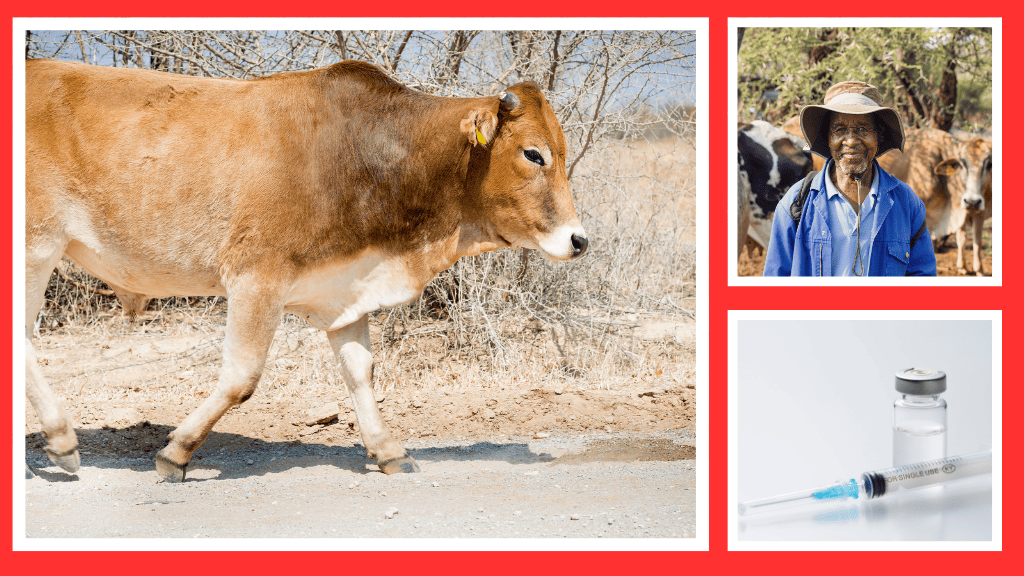
Description
Contagious bovine pleuropneumonia ( is included in the list drawn up by the World Organisation for Animal Health ( founded as OIE) gathering diseases with a major impact on livestock and representing a major constraint to international trade CBPP is caused by a mycoplasma, Mycoplasma mycoides subsp mycoides.
This disease is characterized by respiratory symptoms and pleurisy and pneumonia lesions These lesions can progress to a chronic stage and animals bearing them, while hardly detectable by clinical observation, are a source of reinfection for healthy herds.
Until recently, the fight against CBPP relied on mass vaccination campaigns, often associated with those directed against rinderpest. These campaigns are costly, due to the need for annual booster vaccinations. As a result, the vaccination effort is difficult to maintain in Africa and the number of outbreaks is increasing.
The use of laboratory diagnosis is essential, both to confirm the suspicion of CBPP and to measure the impact of the disease on livestock and, thus, to be able to develop appropriate control strategies The laboratory diagnosis does not present major technical difficulties but requires practical experience for it to be performed correctly The same is true for contagious caprine pleuropneumonia (CCPP).
Objectifs de la formation
This technical training course can be developed for CBPP and/or CCPP.
At the end of the training, participants will be able to:
- perform serological analyses of CBPP CCPP by cELISA learn the basics of quality control in this field and know how to interpret the results;
- isolate the agent of CBPP CCPP
- perform the titration of a CBPP vaccine;
- perform classical and/or real time PCR techniques for rapid diagnosis of CBPP CCPP
Other objectives such as quality control of vaccines, assessment of antibiotic sensitivity of strains by MIC evaluation, or molecular typing of strains may be proposed upon request.
Public visé
This training course is open to those directly involved in the diagnosis of PPCB/PPCC (veterinarians, laboratory technicians).
Candidates must also have a good command of French or English.
On request, off-site sessions at partner institutions may be organised provided that a sufficient number of participants is reached (at least 5).
The dates and duration of the training course can also be tailored to suit requirements.
Prérequis
Informations sur l'admission
Modalités pédagogiques
The programme alternates between theoretical presentations and practical training
- Theory 10 hours
- Practice 20 hours